


K. Asif’s magnum opus Mughal-e-Azam faced setback one after another, yet the filmmaker never gave up on his vision to create history with his Dilip Kumar-Madhubala starrer.
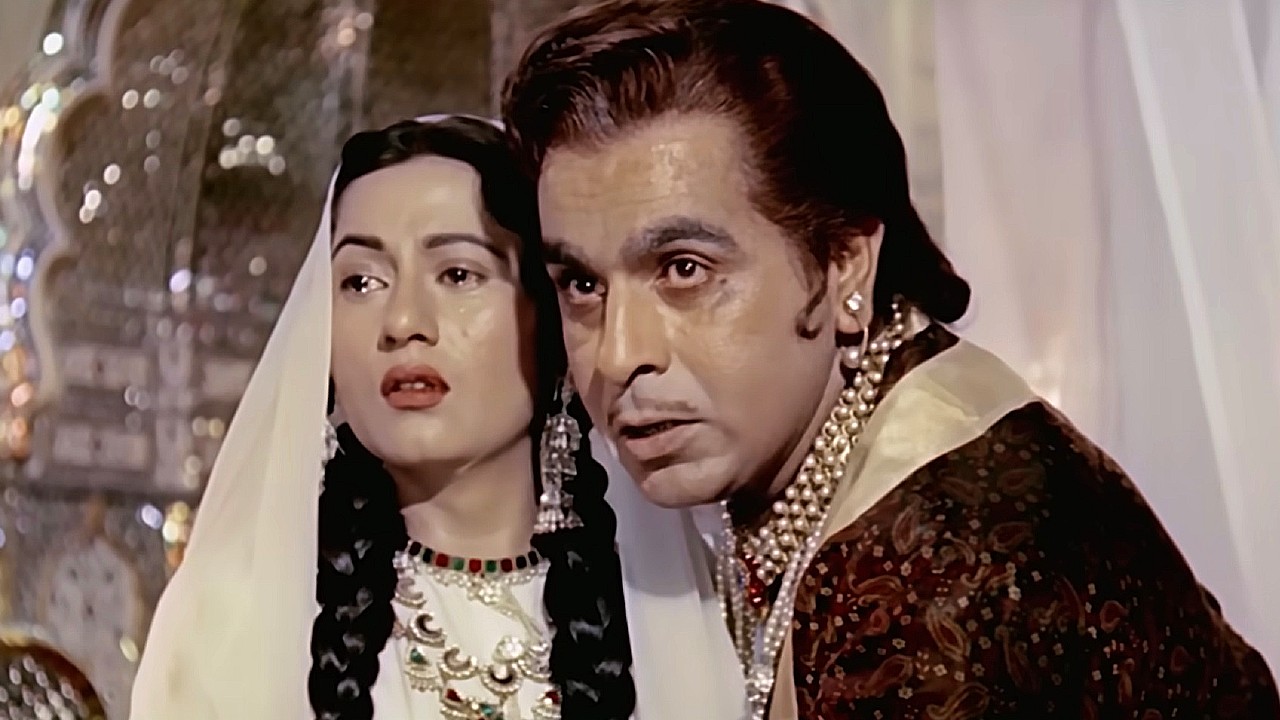
K. Asif’s Mughal-e-Azam is a masterpiece that completely changed Indian cinema, setting a high bar for what a grand ‘epic’ should look and feel like.
Released in 1960 after more than a decade in the making, it dazzled audiences with its breathtaking sets, poetic dialogues, soul‑stirring music, and unforgettable performances. From Prithviraj Kapoor’s commanding presence as Akbar to Dilip Kumar’s intensity as Salim and Madhubala’s haunting grace as Anarkali, the film brought together artistry and emotion on a scale never seen before.
But behind the beautiful scenes, there is a story of struggle, heartbreak, and a brave actress who risked her life for her art. Recently, screenwriter Kamlesh Pandey shared some interesting trivia about the making of this film.
Mughal-e-Azam faced its first major disaster during the Partition of 1947. When the project originally started, it had a completely different cast and producer. It featured Nargis as Anarkali, Chandra Mohan as Akbar, and Sapru as Salim. However, the Partition tore the team apart when the original producer moved to Pakistan. Shortly after, Chandra Mohan, passed away. It seemed like the movie was cursed and would never be finished.
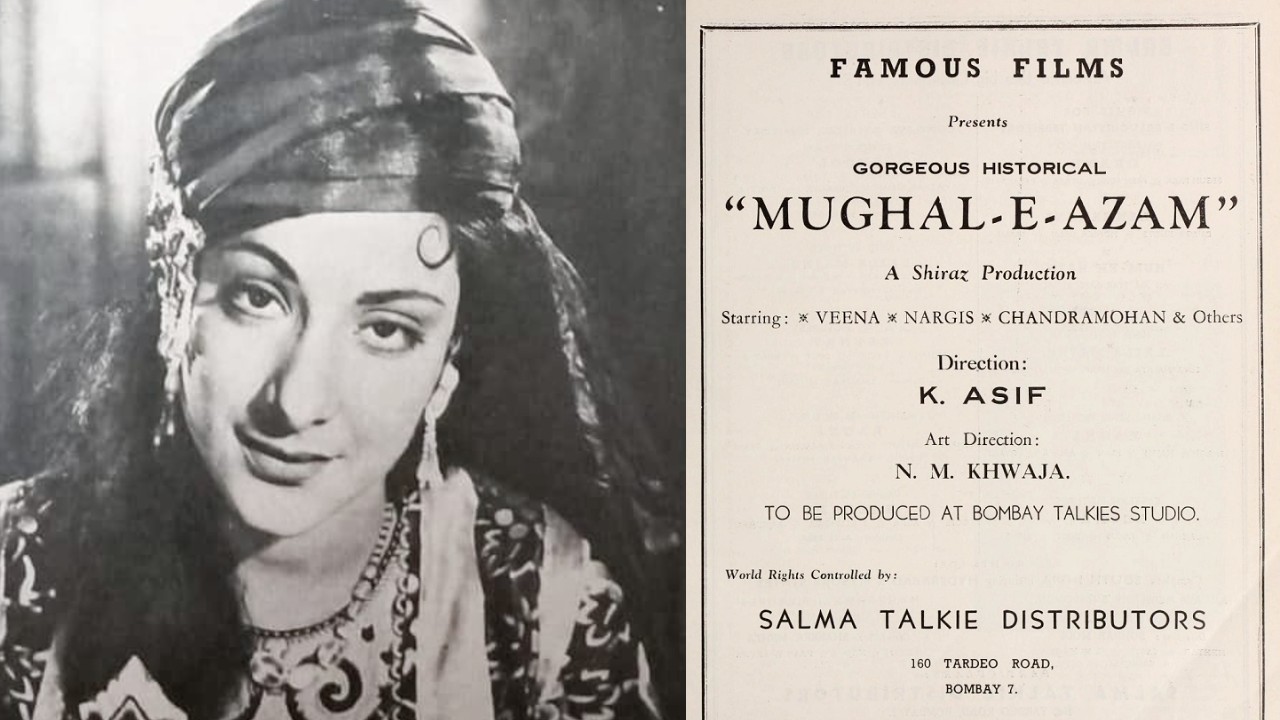
The director, K. Asif, eventually found himself with a massive dream but no money. He wanted 1.5 crore rupees to make the film, which was a shocking amount at a time when most movies cost only 3 lakh rupees. He reached out to a wealthy businessman named Shapoorji Pallonji for help.
When Pallonji visited Asif’s home, he realized the director was living in extreme poverty. The filmmaker didn’t even have a chair to offer his guest and instead asked the billionaire to sit on an old, overturned tin box. Pallonji was so moved by Asif’s confidence and grand vision despite having nothing that he decided to fund the entire project.
After Nargis stepped away from the role of Anarkali due to her mother’s objections to working with Dilip Kumar, the search for the perfect actress became the next big challenge. The makers approached Nutan. but she turned down the role.
Finally, Madhubala was chosen to play Anarkali. However, she was secretly battling a serious heart condition. Her father, Ataullah Khan, was very protective and set strict rules for her health, insisting that she could not shoot outdoors, had to be home by 6 PM, and was never allowed to lift anything heavy.
Despite these medical warnings, Madhubala showed incredible bravery on set. For the famous prison scenes, K. Asif insisted on using real iron chains instead of fake props. These chains were three times heavier than Madhubala herself. Even though she was seriously ill and her heart was weak, she wore the heavy iron for hours. She dragged the weight across the floor, singing and acting with pure emotion despite the physical toll it took on her body.
It would be apt to say that Mughal‑e‑Azam was born out of tragedy, ambition, and sacrifice. More than six decades after its release, the Dilip Kumar-Madhubala starrer continues to cast its spell on audiences and inspire filmmakers.
Mughal-e-Azam revolves around Prince Salim (Dilip Kumar) who falls for the court dancer Anarkali (Madhubala). Their romance puts him directly at odds with his father, the powerful Emperor Akbar (Prithviraj Kapoor).
