


If you are looking for shocking hidden secrets, Prahaar‘s ‘untold’ tag is a bit of a stretch, but as a legal showdown, this Rajkummar Rao starrer delivers.
Quick Vibes
Genre: Legal drama
Vibes: Sombre, intense
Film Credits
Cast: Rajkummar Rao, Wamiqa Gabbi, Lalit Prabhakar, Ritvik Sahore, Sikander Kher, Ashish Vidyarthi, Jaideep Ahlawat (cameo)
Director: Avinash Arun
Writers: Sumit Roy, Dishyant Arora, Vishal Tiwari
Story
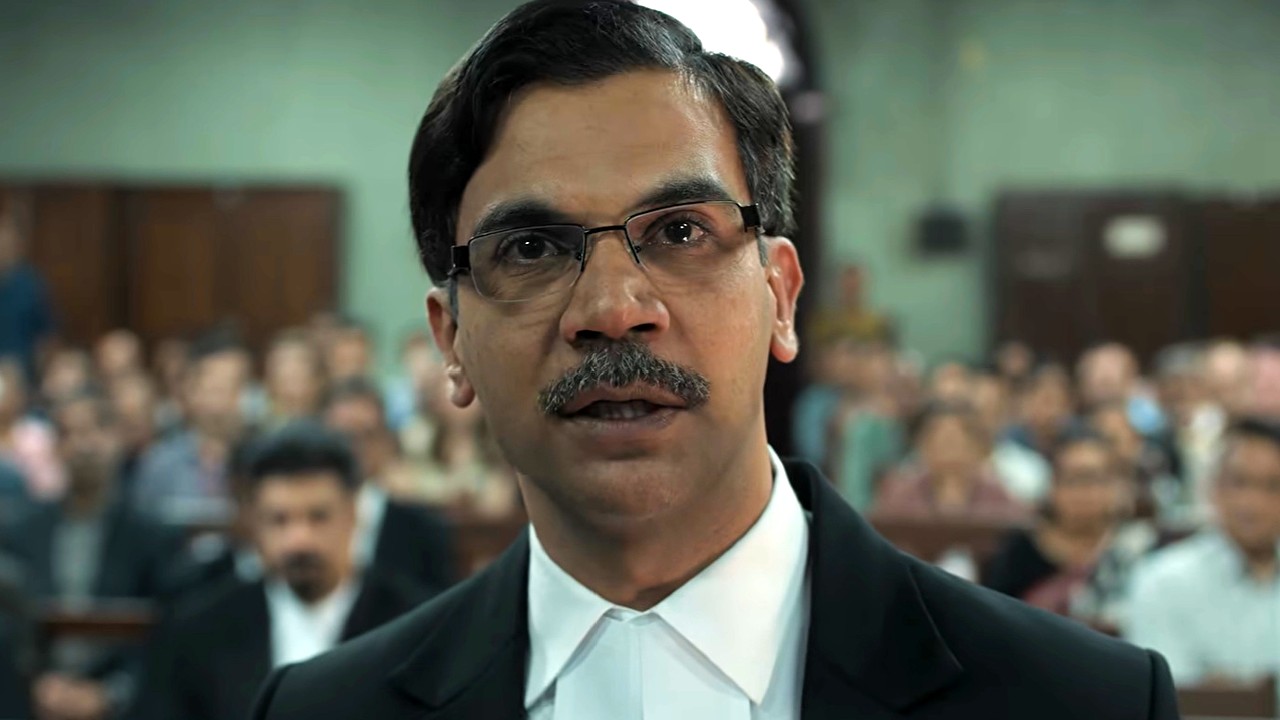
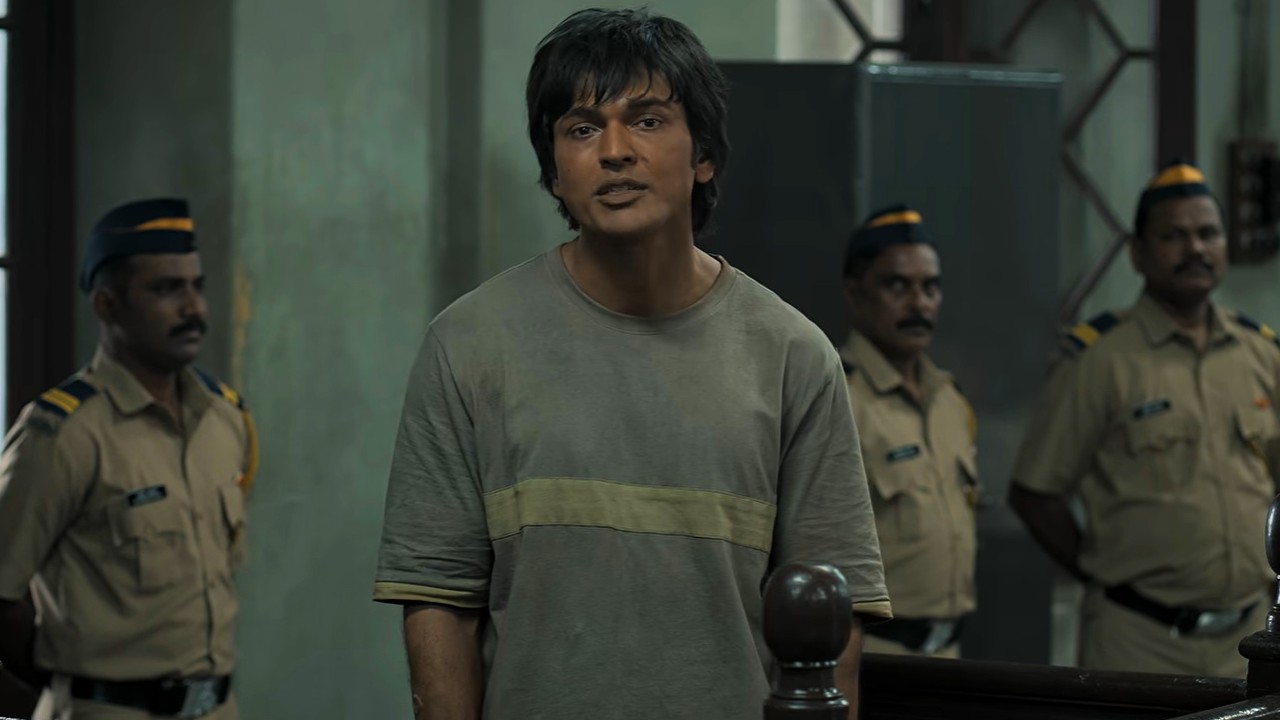
Prahaar begins inside the courtroom where Ajmal Kasab (Lalit Prabhakar) hears the death penalty for his role in the 26/11 Mumbai terror attacks. As the sentence is pronounced, a subtle sigh of relief washes over the face of public prosecutor Ujjwal Nikam (Rajkummar Rao), the man who spent months bringing him to justice.
The story then rewinds to the night of the attacks, showing Nikam at home, busy making arrangements for his daughter Sharvari’s engagement. The sudden wave of violence in the city upends his life, and the government soon appoints him to lead the prosecution. Determined to secure justice for the victims, Nikam declares at one point, “I will demolish all the stories by the terrorist’s lawyers.”
What follows is a tense legal showdown against Abbas Kazmi (Sikandar Kher), the sole defense attorney willing to take Kasab’s case. How Nikam works tirelessly to dismantle every line of defense, ultimately proving Kasab guilty of murder and waging war against India to seal his fate forms the crux of the film.
What’s Yay
Rajkummar Rao shapes the real-life figure with sharp precision and a touch of theatrical energy that makes his scenes compelling.
What’s Nay
The film stumbles when it repeatedly detours into Ujjwal Nikam’s domestic dynamics and pulls the focus away from the urgency of the courtroom drama.
Writing And Direction
Prahaar locks its gaze on the most crucial chapter of Ujjwal Nikam’s career, the prosecution of Ajmal Kasab. The film is at its sharpest when it shows Nikam building his case piece by piece, stripping away every excuse until nothing remains. His courtroom strategies are riveting, from tearing apart Kasab’s retracted confession to exposing the false claim of being underage. The “circus monkey” cross-examination lands with unsettling force as it reveals how Kasab was trained to sway the courtroom with silence, tears, and defiance.
Yet the film, despite its title promising an untold story, plays it safe. The courtroom drama is gripping but much of it is already familiar from public record. We never truly get inside Nikam’s head or feel his internal turmoil during such heavy proceedings. Writer Sumit Roy and y and his team attempt to bridge this gap through domestic subplots, including his wife’s health scare and his strained bond with his son Aniket, but these diversions feel forced and often cut into the tension.
Even so, director Avinash Arun delivers moments that stay with you. The fiery exchanges between Nikam and Pakistan lawyer Chaudhary Zulfiqar, played by Jaideep Ahlawat, simmer with pride and sharp wit. Their rivalry unexpectedly softens over a shared meal of bombil, where Zulfiqar recites Sahir Ludhianvi’s poetry to underline the human cost of endless battles. Another unforgettable scene unfolds in Kasab’s prison cell when he realizes it is Eid. His stunned question, “India mein Eid manane ki ijazat hai?” cuts through the silence and exposes the chilling depth of his radicalization.
Performances
Rajkummar Rao lights up the screen as Ujjwal Nikam, turning the real-life prosecutor into a figure of commanding presence. He captures the fire in Nikam’s arguments and the sharpness of his rhetoric while adding just the right touch of theatrical flair. Every cross-examination feels alive because Rao brings a magnetic energy that keeps the legal drama riveting. His chemistry with Jaideep Ahlawat is especially striking. Their exchanges brimming with wit and tension, create sparks that lift the film’s most powerful moments.
Lalit Prabhakar delivers an effective act as Ajmal Kasab. He moves with unnerving ease between the cold detachment of a radicalized killer and the carefully staged helplessness designed to mislead. Rather than reducing the character to a caricature, the actor grounds the performance in subtle physical details, making Kasab’s presence in the dock a constant source of palpable tension.
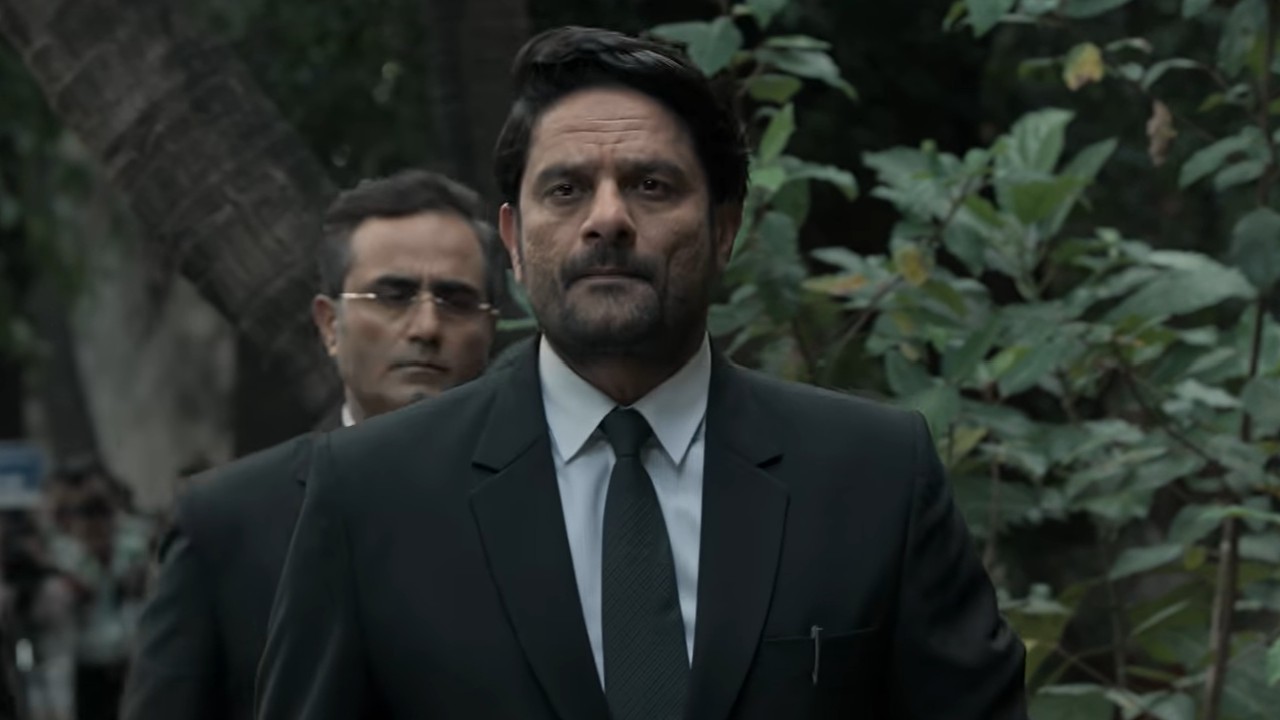
Taking on one of the most vilified positions in Indian legal history, Sikander Kher does a good job in portraying Abbas Kazmi as a steadfast officer of the court driven purely by constitutional principles.
Jaideep Ahlawat, in an extended cameo as Chaudhary Zulfiqar, is top-notch.
Wamiqa Gabbi nails the physicality of an older woman, from her posture to the subtle shifts in body language, yet her performance often slips into a loop that dulls its impact. Scene after scene, she leans on the same faint smile, a paper-thin expression that lingers even when the moment calls for something deeper. Whether the narrative demands quiet worry, domestic ease, or the strain of watching her husband fight a national trial, that smile rarely fades. Instead of projecting inner strength or calm resilience, it creates a strange emotional gap, leaving her reactions feeling mechanical and disconnected from the weight of the story.
Ritvik Sahore conveys the quiet burden of growing up with a father who is both celebrated and constantly absent. Even though the script pushes him into familiar family conflict, Sahore keeps his moments grounded with a vulnerability that feels real. Ashish Vidyarthi brings a steady authority to Justice M. L. Tahaliyani. His watchful eyes and carefully measured pauses give the courtroom scenes a sense of weight and authenticity.
Diorr Varghese deserves special praise for a performance that is both fearless and heartbreaking. As a ten-year-old survivor taking the witness stand, she stares directly at Kasab and recounts the horror with a devastating innocence that feels almost matter of fact. It hits you right in the gut.

Tech Check
DoP Avinash Arun turns the camera into a living presence within the tension. His framing is precise and geometric, mirroring the cold calculation of the trial itself. At times, his close-ups linger on every twitch and flicker of emotion to ensure the visuals echo the suffocating stakes of the proceedings.
Charushree Roy’s editing of Prahaar keeps a tight leash on the narrative, and ensures the courtroom drama never drags despite its heavy subject matter.
Music
The songs in Prahaar are woven in with restraint, keeping the story moving without ever slowing its pace. At times, instead of pausing for full tracks, the film uses music as a subtle emotional layer. For example, a few lines of Sonu Nigam and Shreya Ghoshal’s Tujh Mein Basi Hai drift through the backdrop in a scene while Vishal Mishra’s Mere Rehta arrives near the end as a closing note.
The Final Shot
Prahaar delivers a solid legal drama with Rajkummar Rao in top form, even if the “untold” story turns out to be fairly well-headlined. It occasionally trips over its own domestic detours, but the moment it steps back inside the courtroom, it hits with all the sharp, theatrical punch of a classic Ujjwal Nikam closing argument.
