







Meghna Gulzar’s Daayra pits legal procedure against raw vigilante justice. Check out our review of Kareena Kapoor and Prithviraj Sukumaran’s latest film.

Quick Vibes
Genre: Crime Procedural
Vibes: Gritty
Film Credits
Cast: Kareena Kapoor Khan, Prithviraj Sukumaran, Jitendra Joshi, Kshitee Jog, Trupti Khamkar
Director: Meghna Gulzar
Writers: Meghna Gulzar, Sima Agarwal, Yash Keswani
Story
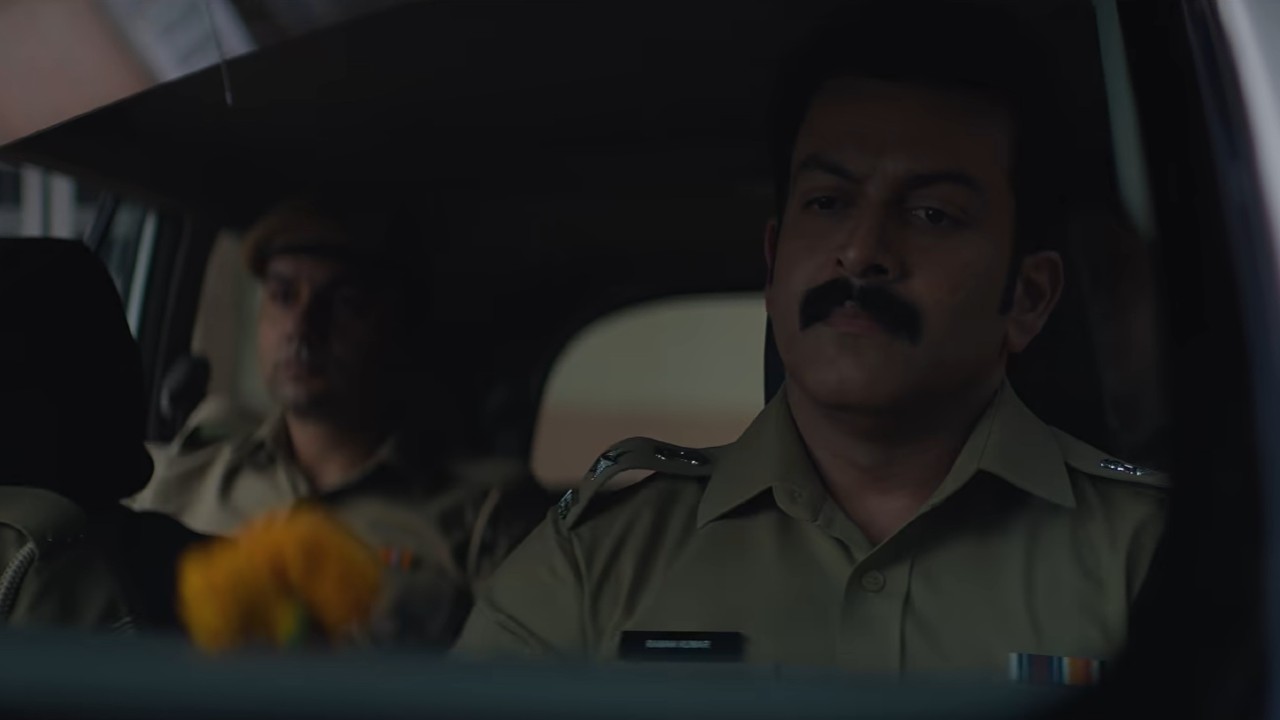
Daayra opens with a city bursting into wild street celebrations, confetti flying and crowds cheering after a top cop shoots four rapists. Prithviraj Sukumaran plays DCP Raman Kumar, who claims the men fired first and that he acted in self‑defense. Since these were the same men accused of brutalising and burning 24‑year‑old Ragini Poojari and leaving her remains near a Delhi highway, the public sees it as instant justice served.
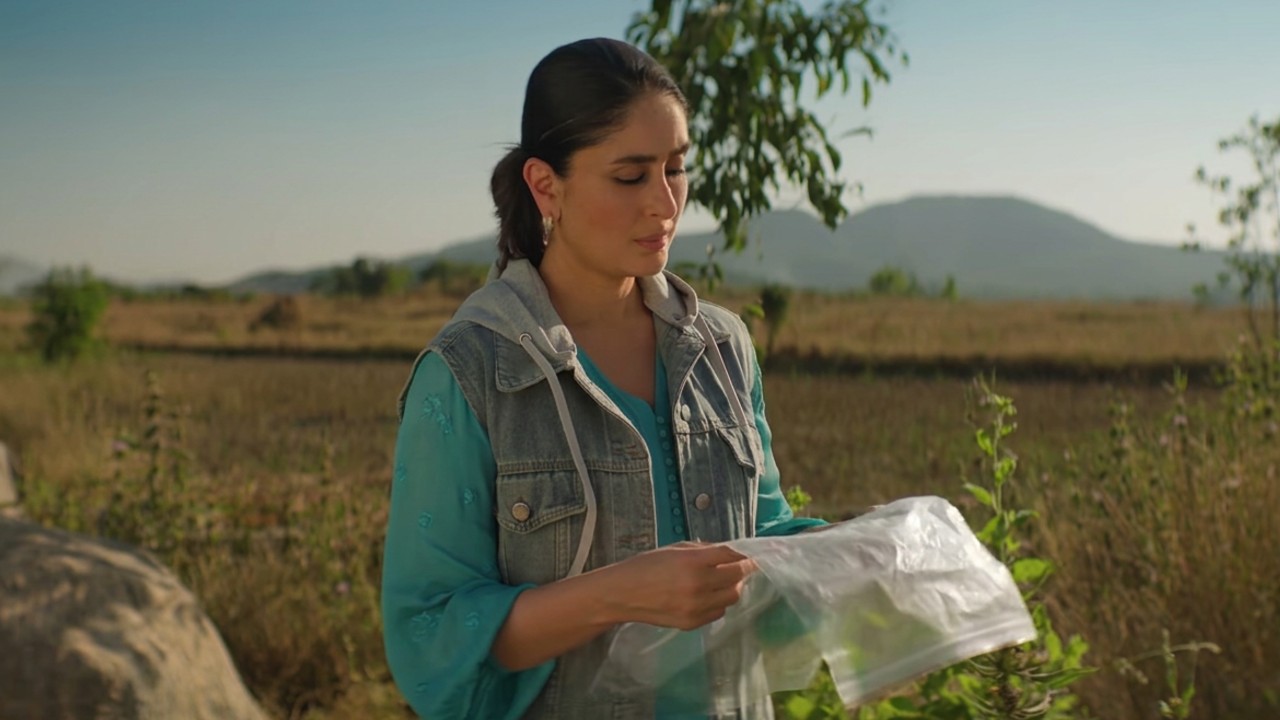
But the applause quickly fades and questions begin to surface. Was this really a shootout or a staged execution to channel Raman’s rage against the perpetrators? The Human Rights Commission steps in with petitions, and the government appoints DCP Ajooni (Kareena Kapoor Khan) to lead a Special Investigation Team.
Ajooni and her team arrive in Suryapur, the site of the crime, and begin piecing the story together from the end back to the beginning. What follows is a tense unraveling of Ragini’s final hours, the secrets of the accused, and the calculated choices of the police caught in the storm.
What’s Yay
Daayra holds a neutral mirror to both Ajooni and Raman and forces you to weigh justice against the law yourself, Prithviraj packs a punch
What’s Nay
While Prithviraj gets a meatier, well-fleshed-out character, Kareena Kapoor Khan’s performance is left doing the heavy lifting for a role that feels noticeably underwritten.
Writing And Direction
Daayra stands out because it refuses to take sides. The screenplay gives equal weight to Ajooni’s calm trust in the judicial process and Raman’s fiery belief in instant justice. This balance is what keeps the film gripping, even though the writing leans slightly more towards Prithviraj. His character is layered and fleshed out, while Kareena Kapoor Khan has to carry a thinner role with sheer performance. This imbalance shows up in their final conversation, where her arguments feel softer against his intensity. Yet Meghna Gulzar steadies the ship and ensures the film never tips over into bias.
Meghna’s direction shines through subtle visual echoes. Early on, at a roadside dhaba, a young worker shapes a roti while watching Raman’s heroics on TV. Distracted, he lets the bread burn. This scene feels ordinary, yet it plants a seed. That character returns near the climax when Ajooni and Raman cross paths outside the same dhaba. The frame lingers again on the worker as he takes a new order.
By then, the audience knows who the worker is and what he represents, yet the film never spells it out. His return is not just repetition, it is a reminder of what lies outside the noise of ideology and spectacle. The worker is not part of the grand debate, but his presence grounds the story in everyday reality. Somewhere, the charred roti, shown in the beginning, becomes a quiet metaphor for what gets overlooked when society is consumed by outrage and headlines.
By circling back to the dhaba, Meghna shifts the focus away from the fiery clash between Ajooni and Raman. She shows that once the dust settles, life continues with its own rhythm, indifferent to who claims victory. The image of that worker is haunting because it suggests that neither strict law nor vigilante justice truly heals the deeper cracks. The cycle remains unbroken, and the audience is left with a lingering question about what justice really means.
This restraint is what makes the film powerful. Meghna does not hand out answers. She lets the ordinary world speak for itself, leaving the audience unsettled in a space where the gray feels more honest than any resolution.
ALSO READ: Kareena Kapoor Khan Picks Her 5 Favorite Movies of All Time; Can You Guess Them?
Performances
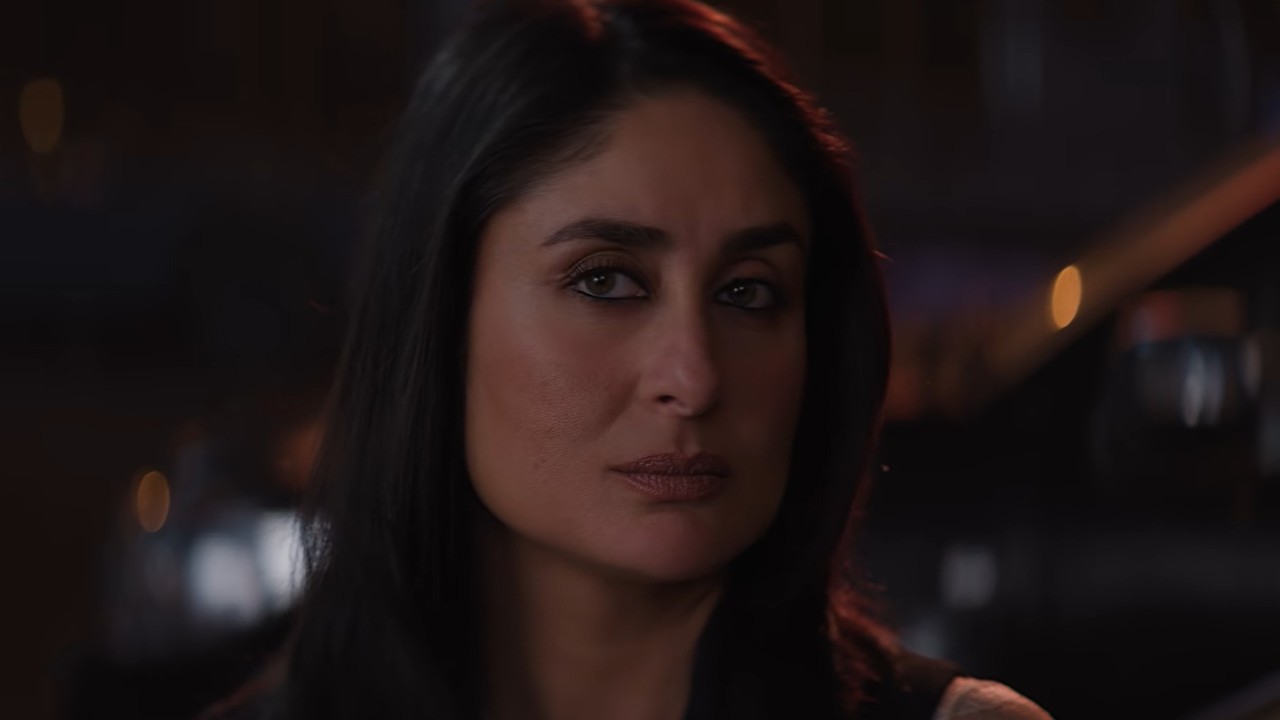
Kareena Kapoor Khan plays Ajooni with calm control and sharp focus. Her performance carries the emotional and ideological burden with quiet poise. There are a few fleeting instances where her signature star persona slips through, which feels slightly out of place. Despite this, Kareena keeps the character grounded and ensures that Ajooni’s voice remains clear and firm within the story.
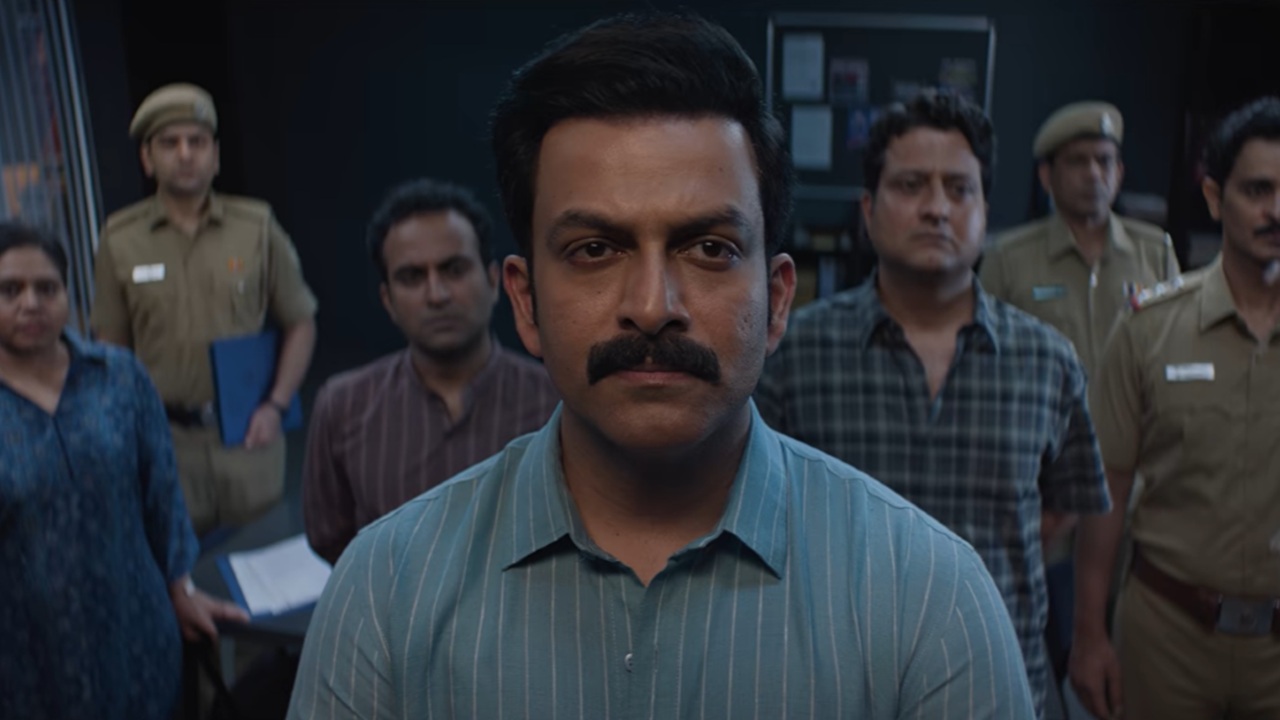
Prithviraj Sukumaran gives Raman Kumar a presence that is strong and gripping without ever slipping into loud theatrics. He keeps the anger inside, letting it show through his eyes, his posture, and the careful way he moves. The rage feels quiet but constant, simmering beneath the surface. By holding back and keeping the performance restrained, Prithviraj makes Raman’s vigilante path feel layered and morally complicated.
Kshitee Jog gives the victim’s mother a performance that is both heartbreaking and deeply human. She shows grief as something heavy and draining. Through her presence, the film never lets you forget the personal cost at the center of the story. Even as the larger debate between law and vigilante justice unfolds, her portrayal keeps the audience rooted in the raw truth that behind every headline is a family carrying unbearable loss.
Jitendra Joshi and Trupti Khamkar hold their ground with ease, making their roles dependable and convincing.
Tech Check
Saurabh Goswami’s cinematography strips away any glossy touch and roots the film in a stark, procedural reality. His visual choices trap the characters within their surroundings and make the tension feel constant. Editors Meghna Gulzar and Charu Shree Roy slice back and forth between past and present with an almost relentless discipline that keeps the viewers constantly off-balance.
Music
In a drama as stark as Daayra, the choice to strip away mid-film songs and save a single track for the end feels purposeful. Gulzar’s ‘Sach Ka Daayra’ lands more like a haunting conclusion.
Lines such as “Jism jalte hain kabhi to rooh jalti hai, Kisko hum sahi kahein kiski galti hai capture the pain of blurred accountability, showing how guilt and suffering shift between body and soul. The central hook “Sach to sach hai apni chaal chalta rehta hai, Sach ka magar daayra badalta rehta hai” reminds us that while truth itself remains, the boundaries around it keep shifting under pressure.
By ending the film with this track, Meghna and team seal the story with a chilling reminder that justice is never as clear as it seems.
The Final Shot
Meghna Gulzar’s Daayra sets law against vigilante justice without ever slipping into easy answers. Even with a few rough edges, it pushes you to reflect on justice, morality, and the uneasy space between them.


